

Chưa có sản phẩm trong giỏ hàng.
Chưa được phân loại
Righteous Tee Trends 2026 Design and Details
The Materials Behind Righteous Clothing: Ease Meets Long-Lasting Strength
Before making a purchase, anyone checking out a righteous review usually poses the same question before anything else: what materials make up this clothing? It’s a valid question, because the choice of material shapes the outcome down the line — how a garment fits after twenty washes, whether it pills at the cuffs, how it feels against skin on a humid afternoon compared with a cold morning. Righteous clothing has built its identity around this exact concern, treating material selection as the bedrock of the label rather than a detail tacked on tucked into a product description. That approach shows up in the way each piece is built, from the yarn used to the finishing techniques applied before a garment ever reaches a shopper.
Here, we unpack what goes into we are righteous apparel, why those decisions matter for regular wear, and how the materials compare to standard fast-fashion alternatives still common in 2026. We’ll also look at care, how long the pieces should last, and where the righteous hoodie sits within the brand’s overall range. Nothing fluffy, no empty marketing talk — just the practical details that help someone determine whether this brand matches their wardrobe.
Why Material Selection Shapes a Clothing Brand
Material is the most important factor separating clothing that holds up from clothing that ends up in a donation bin after six months. A cheap, thinly woven cotton blend might feel soft on day one, but it deforms after a few washes and starts thinning at pressure areas like elbows and underarms. Righteous clothing brand pushes back against that cycle, opting for heavier-weight, densely constructed fabrics that hold their shape even with frequent wear. This isn’t just a marketing claim — it speaks to a broader shift in how consumers assess apparel now that fast fashion’s environmental and durability weaknesses are broadly recognized.
Most shoppers underestimate how much weight matters. Fabric weight is usually measured in grams per square meter (GSM), and garments under 180 GSM usually feel thin and see-through, while anything above 280 GSM comes across as substantial we-righteous.com/t-shirts and structured. Righteous apparel usually lands in the mid-to-heavy range, which is why customers frequently describe the pieces as feeling “worth the price” rather than insubstantial. Heavier material additionally maintains its shape across drying cycles, meaning reduced need for ironing and fewer hassles on laundry day.
It’s also worth considering the question of fabric performs when stretched. Elastic recovery — a garment’s capacity to snap back to its original shape following tension — is an engineering characteristic which distinguishes quality essentials from inferior ones. Materials combined with a small percentage of elastane or a comparable elastic fiber generally bounce back more effectively than 100% rigid cotton, and this explains why numerous quality pieces feature blended fabric builds rather than using only single-fiber textiles.
An In-Depth Look at the Righteous Hoodie: What’s Inside
The righteous-hoodie style has turned into a standout staple for the brand, with good cause — hoodies are unforgiving garments in terms of fabric quality.
An inferior hoodie droops around the hood, sees its drawstring grip weaken, and shows signs of pilling across the front pocket after just a few weeks.
Because of its more substantial fleece-back build, the righteous hoodie provides an interior that’s brushed for softness combined with an outer shell that stays durable and smooth. This dual-layer method is common among premium streetwear brands but noticeably absent in cheaper alternatives.
Ribbed trim along the cuffs and hem is yet another feature deserving attention. The stretched-out, saggy look that plagues cheaper garments after just a season is avoided thanks to tight, carefully-sewn ribbing that preserves a hoodie’s silhouette unspoiled through repeated use and laundering. Strengthened seam stitching — especially where the sleeve joins the body — minimizes the likelihood of tears under routine activity, whether that’s stretching upward or hauling a backpack.
Customers writing a we are righteous review often single out the hoodie’s weight and drape as reasons for repeat purchases. A hoodie that hangs correctly, without bunching at the waist or pulling at the shoulders, signals that the pattern-cutting behind it was done with actual wearability in mind, not just cost efficiency. That level of attention is one of the clearer signs of a brand thinking long-term rather than chasing short production cycles.
Ease Without Giving Up Structure
Ease of wear is a matter of personal perception, but there are objective factors that play a role in it: breathability, balance of weight, and how a fabric moves with the body. Righteous’s designs favors fabrics that balance softness with enough structure to hold a garment’s intended silhouette. This matters especially for roomier, relaxed-fit garments, since overly soft, bodyless fabric can leave them looking formless.
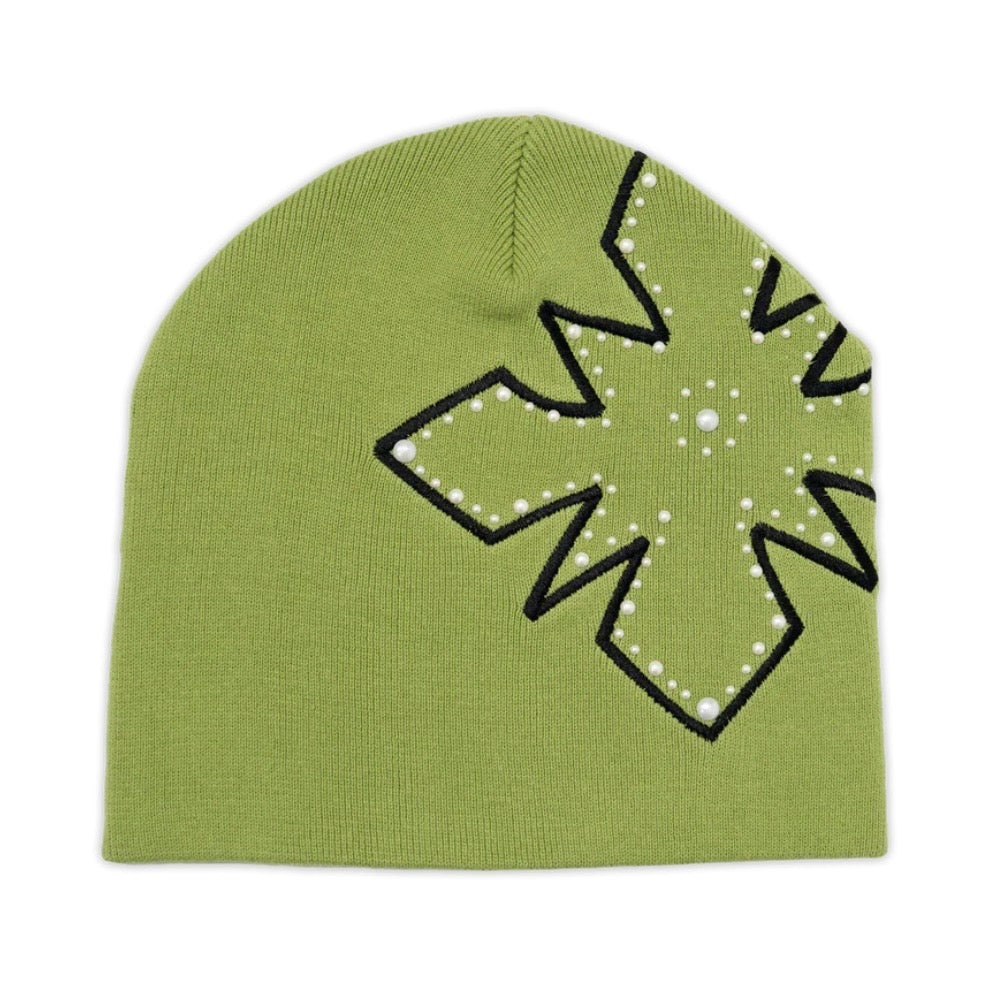
Fiber composition and weave density are the main drivers behind breathability. Because cotton-heavy blends allow better airflow than fully synthetic fabrics, righteous apparel favors cotton-forward compositions for garments intended for daily wear, while reserving more technical or performance blends for particular types of product. Deliberately, this isn’t one-size-fits-all — a hoodie for chillier conditions calls for something other than what a breezy, warm-weather tee needs.
Thermal balance is also a factor in how a garment’s reputation develops across seasons. Fabrics that trap heat unevenly tend to feel uncomfortable during transitional weather, while smartly picked blends flex more naturally with conditions. It’s a subtle yet telling distinction—one that sets apart a brand that has carefully tested its materials across seasons from one that hasn’t.
Wear Resistance: What Genuinely Stands the Test In the Long Run
The fabric on its own isn’t the whole story of a garment’s resilience — each element must work together, spanning threadwork, reinforced seams, colorfastness, and drawstring or zipper fittings.
The brand has earned a reputation largely due to reinforced double-stitched seams, which cut down the likelihood of unraveling where strain concentrates.
This is a relatively low-cost manufacturing decision that makes an outsized difference in how long a garment survives regular wear and washing.
How well dye stays put is yet another underrated durability factor. After ten to fifteen washes, low-cost dyes lose vibrancy considerably, resulting in garments appearing faded and uneven. Better-grade dyeing techniques, notably reactive dyeing methods applied to cotton-based fabrics, preserve hue much longer and fend off the faded appearance that afflicts inferior apparel. This deliberate focus on the dyeing process, instead of coincidence, is often what customers reading a righteous review observe when hues hold vivid even after extended everyday use.
Resistance to pilling comes down to yarn quality and fiber length. Smoother yarns, the result of cotton fibers with a longer staple, hold up against the small fiber breakage that leads to pilling — in contrast shorter, cheaper fibers pill quickly under friction. Impossible to notice at checkout but glaringly apparent after a month’s use, this detail is exactly why it is so critical to long-term satisfaction.
Comparing Righteous With Mainstream Fast Fashion
Down-to-earth terms, rather than abstract statements, make it easier to grasp the contrast. The table below outlines overall characteristics common to mass-market fast-fashion staples in contrast with the standards righteous clothing aims for spanning its principal apparel collections.
| Feature | Common Fast Fashion | Righteous Clothing’s Take |
|---|---|---|
| Fabric Weight | Typically below 180 GSM, reads as thin | A heavier-leaning fabric weight designed for structure and longevity |
| Seam Construction | Seams stitched only once, that can easily fray | Strengthened double stitching at pressure zones |
| Dye Retention | Color drops off after about 10–15 washes | Color that stays put thanks to reactive dyeing |
| Structural Rebound | Quick to sagging, losing its fit in no time | A fiber blend for stronger stretch recovery |
| Pilling Resistance | Noticeable pilling shows up within weeks | Longer-staple fibers minimize pilling |
We’re not talking about striking, over-the-top variations — it’s the type of step-by-step quality decisions that add up over months of use. A shopper comparing two hoodies side by side in a store might not notice fabric weight immediately, but they’ll notice it after the first wash cycle, and they’ll definitely notice it after the tenth.
How to Maintain Your Apparel and Extend the Item’s Life
Even the most well-constructed item comes undone without attentive care, which is why washing practices carry comparable weight as fabric quality. Using cold water to wash safeguards both color and fiber integrity far better than hot water, which speeds up color loss and fabric degradation. Turning garments inside out before washing also reduces surface friction, safeguarding printed graphics and minimizing fabric pilling on the outward-facing side of the fabric.
Drying naturally in the air, or at minimum opting for a gentle, low-temperature tumble dry cycle, helps avoid the shrinking and strain on fibers that high heat causes over recurring cycles. This is particularly important for thicker fabrics like those used in the righteous hoodie, where high heat can cause the fleece lining to flatten and become less soft over time. Such straightforward routines frequently decide whether a garment lasts one year or three, adding meaningful extra life along the way.
Storing folded rather than hung also assists knitwear and hoodies hold their form, since hanging bulkier garments can distort the shoulder seams and neckline over time. Minor and easy to overlook as these tips are, they’re exactly the down-to-earth guidance that turns a good purchase into a enduring wardrobe staple.
Last Word on the Righteous Material Philosophy
Material choices tell the true story behind any clothing brand, and righteous clothing has clearly built its identity around getting those fundamentals right rather than depending on flashy marketing alone. From the weight of the fabric to reinforced stitching to how well dye holds, every decision reflects a brand thinking about how a garment holds up six months or a year down the line, not just how it looks on day one. This is a notable distinction in a market still dominated by disposable fast fashion.
If you’re weighing a we are righteous review before making a purchase, the takeaway is clear: its approach to fabric selection, construction, and finishing reflects real attention to comfort and durability, not just passing style trends. Whether it’s the comfortable structure of the righteous hoodie or the wider range of righteous apparel, the materials are doing reliable work behind the scenes — which, in the end, is exactly what good clothing should do.