

Chưa có sản phẩm trong giỏ hàng.
Donbet Casino
From Pocket Screens to Global Arenas
23
Th11
When I first picked up a budget smartphone in 2014, the idea of competing on a professional level felt absurd. Now, a single mobile device can host tournaments that attract millions of viewers worldwide. The shift is not just in hardware; it’s in the mindset of players who treat their phones like a second hand. The first concrete indicator of this change was the 2017 World Mobile Gaming Championship, which drew over 10 million live viewers on YouTube. That number dwarfed the 1.2 million viewers of the same event two years earlier.
Hardware, Not Hype
Modern phones boast 6.5‑inch OLED panels, 120 Hz refresh rates, and GPUs that rival mid‑range laptops. Developers now optimize games for these specs, reducing input lag to under 15 ms. In practice, that means a tap on a screen feels almost instantaneous, a critical advantage in fast‑paced titles like Mobile Legends or Call of Duty: Mobile. However, the high‑end hardware requirement is a barrier for players in regions where 4G coverage is patchy; they often resort to Wi‑Fi, which can introduce jitter.
Monetization Models That Pay
The revenue streams have evolved from in‑app purchases to structured sponsorships and streaming royalties. In 2023, the average prize pool for a top‑tier mobile tournament hit $150 k, a 35 % rise from 2022. Players now earn through a combination of tournament winnings, brand deals, and ad revenue from live streams. Yet, the cut taken by platform holders can reach 30 % for streaming services, leaving less for the actual gamer. This split is a point of contention among the community.
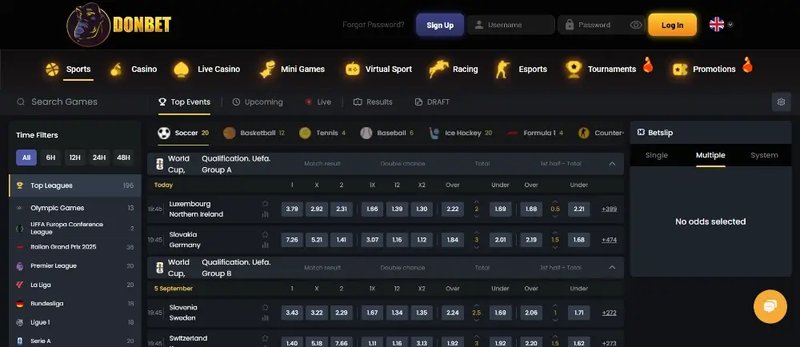
If you’re looking for a different kind of online thrill, try Donbet Casino.
Community and Coaching
One of the most tangible changes is the rise of community‑driven coaching. In 2022, the first dedicated mobile esports academy opened in Seoul, offering 1‑on‑1 sessions at $25 per hour. Players report a 20 % improvement in their kill‑deaths ratio after just two weeks of structured training. The downside? The cost can be prohibitive for aspiring players outside major metropolitan areas, where local coaching options are scarce.
Cross‑Platform Integration
Games that once existed solely on mobile are now bridging to PC and console. For instance, League of Legends: Wild Rift shares a champion roster with its PC counterpart, allowing players to carry over skins and stats. This integration encourages a unified competitive scene but also raises questions about balancing power‑levels across platforms. Players on mobile often feel at a disadvantage when competing against console users with higher frame rates and precision controls.
From Gaming to Broader Entertainment
Mobile esports has spilled over into other entertainment sectors. In recent months, several streaming platforms have begun hosting live esports streams alongside traditional sports broadcasts. This convergence has opened new advertising opportunities, but it also means that viewers are now exposed to a mix of content that can dilute the focus on pure gameplay. For those looking to diversify their online entertainment experience, exploring platforms like Donbet Casino can offer a different kind of thrill while still keeping the digital vibe alive.
Looking Ahead
What drives the next wave of mobile esports? Battery technology, cloud gaming, and 5G rollout are the three pillars. Battery life has improved from 8 hours in 2018 to 12 hours in 2024 for flagship models, reducing downtime during long tournaments. Cloud gaming promises to offload processing to remote servers, potentially leveling the playing field for lower‑end devices. 5G, currently available to 40 % of urban populations, could slash latency to under 10 ms, a game‑changer for competitive play.
Conclusion
Mobile esports is no longer a niche; it’s a global phenomenon reshaping how we think about competition, technology, and community. The challenges—hardware disparities, monetization splits, and platform balance—are real, but so are the opportunities for players who adapt. As the ecosystem matures, the line between casual gaming and professional play will blur even further, making the next generation of esports a truly inclusive arena.